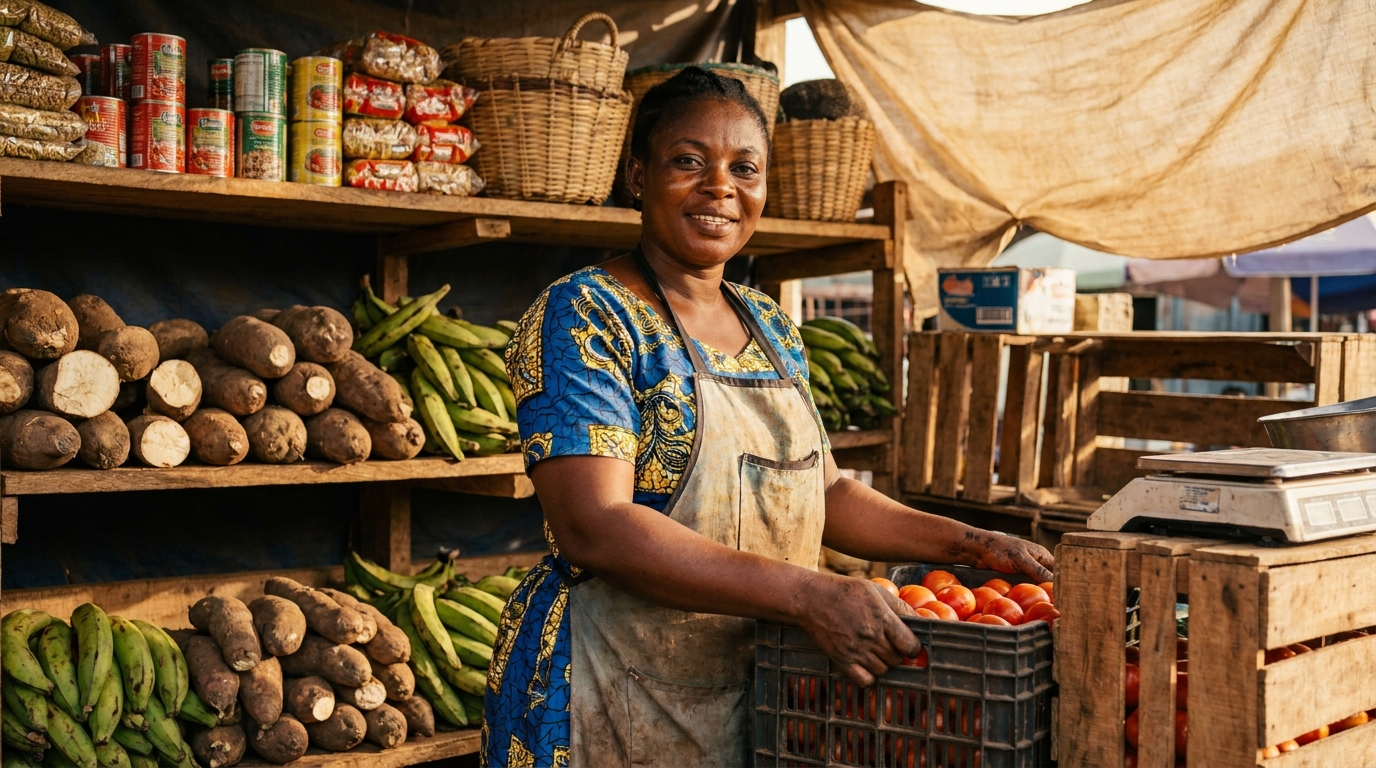
Running a small business in Ghana means constantly juggling cash flow. Stock needs replenishing. Equipment needs upgrading. Opportunities appear — and disappear — fast. A small loan, used well, can be the difference between seizing an opportunity and watching it pass.
Here are five ways a small loan can help your business grow.
Whether you sell food, clothing, electronics, or household goods, stock is income. When you run low before a busy period — market day, a public holiday, back-to-school season — you lose sales you can't recover.
A small loan lets you restock at the right moment. You sell through the stock, repay the loan from the revenue, and pocket the difference. Done right, the loan pays for itself.
For a tailor, a better sewing machine means more orders completed per week. For a food vendor, a larger pot or a second gas burner means serving more customers. For a phone repairer, a new set of tools means tackling more complex jobs.
Capital equipment that improves your output or quality often pays back quickly — and a small loan makes it accessible without wiping out your savings.
Every business has months where expenses arrive before the revenue does. Rent, supplier payments, and staff wages don't wait for customers to pay. A short-term loan can bridge that gap so you don't fall behind on commitments that damage your reputation or your supplier relationships.
Sometimes a customer wants more than you can currently supply — a bulk order, a catering contract, a wholesale request. Without capital, you have to turn it down or ask for an advance, which can seem unprofessional.
A small loan lets you fulfil larger orders, build bigger client relationships, and generate more revenue per transaction.
Printing flyers, running a social media promotion, moving to a more visible spot, or adding a sign to your stall — these small investments in visibility can bring in new customers that generate returns for months. A one-time loan can fund a one-time investment that keeps paying off.
Q: How small is a "small loan" from Fido?
Fido loans start from as little as GHS 50 and go up based on your repayment history. As you repay on time, your available limit grows — so many customers start small and work up to larger amounts.
Q: Do I need to show proof of business to get a Fido loan?
No. Fido doesn't require business registration documents or financial statements. You apply with your phone and Ghana ID, and Fido assesses your eligibility based on your profile and repayment behaviour.
Q: How quickly can I get funds for my business?
Once approved, funds are sent directly to your Mobile Money wallet — typically within minutes.
Q: What if my business revenue is seasonal?
Fido loans have fixed repayment dates, so plan around your cash flow. If your business is seasonal, borrow closer to your busy period when repayment is most comfortable.
Q: Can I take a second loan while repaying the first?
Generally you need to repay your current loan before taking another. Consistent on-time repayment is also how you unlock higher limits for future loans.